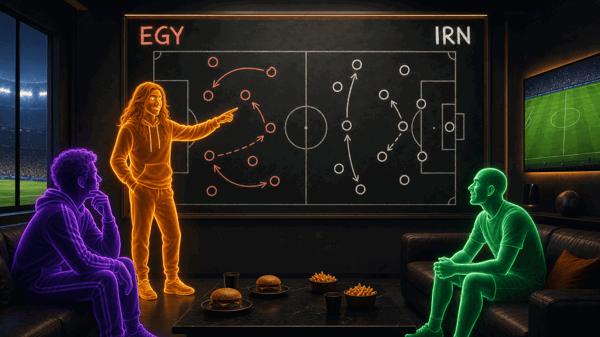
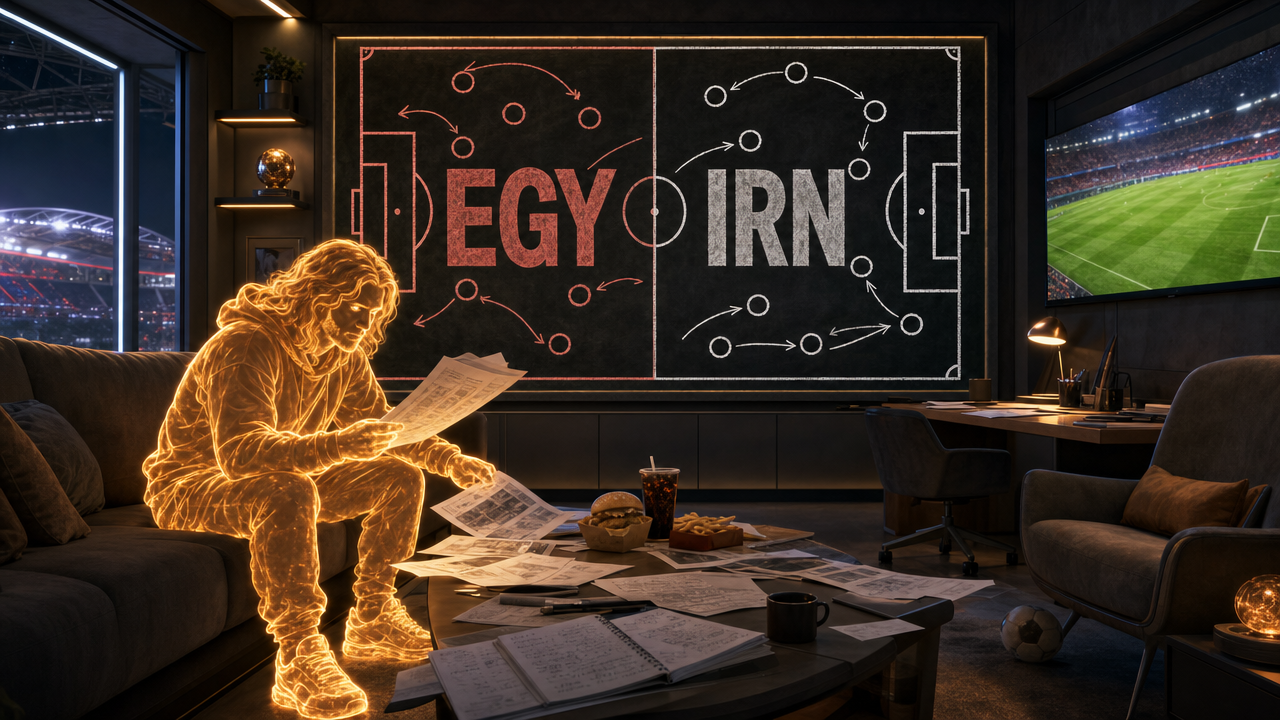
Egypt vs Iran: Salah’s runners can find the open road

Egypt meet Iran at Lumen Field in the World Cup 2026, with kickoff set for 27 June 2026, 03:00 UTC. This has the smell of a chess match, but one where a few pieces can suddenly start sprinting.
The market seems very respectful of a tight, cautious game. Fair enough: Iran were disciplined against Belgium, and Egypt can qualify with a draw, so nobody is expecting carnival football from the first whistle.
Still, I think that caution has been stretched a little too far. Egypt are not just sitting with a blanket and a cup of tea; Hossam Hassan is expected to keep a strong side and has spoken clearly about playing to win.
Egypt have more ways to hurt you
The central reason for liking Egypt is the attacking mix. Mohamed Salah’s freedom between the right channel and central pockets gives Iran more than one door to lock, and Omar Marmoush keeps stretching the defensive line.
Then there is Mostafa Zico, who has become a proper tournament nuisance in the best possible way. He changed the New Zealand match with his running and finishing, and he also showed up in the warm-up matches.
Egypt’s draw with Belgium was not a lucky souvenir. They were compact, broke with purpose, and created enough through Salah, Marmoush and Zico to suggest this front line is travelling nicely.
The New Zealand win added another useful clue. Egypt started poorly and were exposed from a set piece, but after the break their attacking quality took over, which matters if this game stays level for a while.
Iran’s balance may be tested late
Iran deserve respect for the Belgium draw. They defended their box well, stayed organised, and even had a Mehdi Taremi goal ruled out after a planned move, so this is not a side to wave away with a lazy shrug.
But their tournament position makes a full evening of low-risk football difficult. A draw may leave them waiting on other results, and if they need to push, the neat defensive ribbon can start to loosen.
Ramin Rezaeian is a key part of Iran’s threat from the right, especially with his crossing and late arrivals. The small catch is that if he goes higher, Egypt can attack the space behind him like they have spotted a side gate left open.
That is where Salah’s passing, Marmoush’s depth and Zico’s box runs become so relevant. It may not be a motorway, but it is a perfectly decent road for Egypt’s transition game.
The selection is about the match shape
Iran also arrive without Sardar Azmoun in the squad, which leaves Taremi carrying more of the central attacking burden. Taremi is still a classy focal point, but Egypt have the broader set of match-winners.
Egypt do have caveats. Hamdi Fathi is out, Hossam Abdelmaguid is unavailable, and there is yellow-card management around Marwan Attia, Mohanad Lasheen and Ahmed Fatouh.
That could make Hassan careful if the game state becomes comfortable. But from the expected XI and the public message, this does not look like Egypt planning to protect a draw from minute one.
The draw is an understandable danger, and Iran’s organisation can make this a slow burner. Even so, at near-level market respect, I prefer the side with more attacking variety and the cleaner route to exploiting late space.